

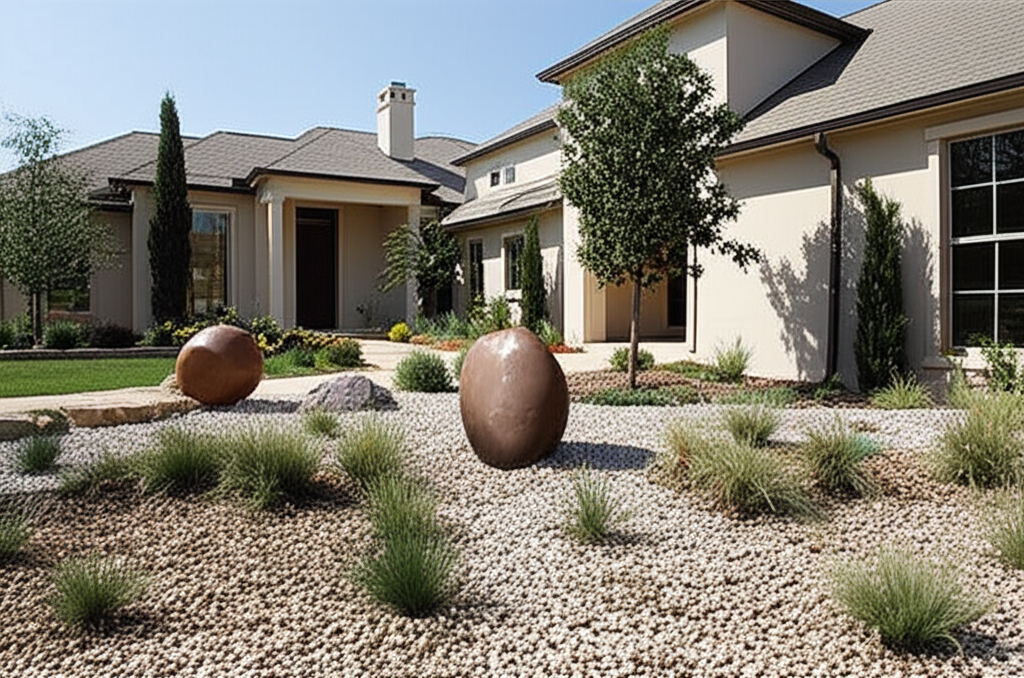
Xeriscaping for Luxury DFW Homes: Water-Wise Landscaping That Doesn’t Compromise on Style
Published on February 15, 2026 by Darryl Chevis
Xeriscaping for Luxury DFW Homes: Water-Wise Landscaping That Doesn't Compromise on Style
Modern xeriscaping creates stunning, resort-quality landscapes that reduce water costs 40-60% while maintaining the sophistication expected at luxury DFW properties. Far from the gravel-and-cactus stereotypes, today's water-wise design combines native Texas plants, elegant hardscaping, and contemporary aesthetics for landscapes that thrive through drought restrictions without sacrificing beauty.
Principles of Luxury Xeriscaping
Plant Selection: Native & Adapted Species
Texas native plants provide beauty without demanding irrigation after establishment.
Ornamental Grasses:
- Gulf Muhly: Spectacular pink fall plumes, 3-4 feet, stunning massed
- Lindheimer Muhly: Silvery foliage, 4-5 feet, movement in breeze
- Bamboo Muhly: Ethereal fine texture, 6-8 feet, dramatic vertical
Flowering Perennials:
- Texas Sage: Purple blooms after rain, silver foliage, sculptural form
- Mexican Bush Sage: Purple spikes fall-blooming, hummingbird magnet
- Russian Sage: Lavender blooms, silvery foliage, 3-4 feet
- Coneflower: Summer-long color, pollinator support
Evergreen Structure:
- Yaupon Holly: Native evergreen, red berries winter, formal hedge capable
- Texas Mountain Laurel: Fragrant purple blooms, specimen tree
- Dwarf Palmetto: Tropical texture, shade tolerant
Hydrozoning
Strategic water zone grouping:
- Zone 1 (No irrigation): Established native grasses and perennials
- Zone 2 (Minimal): Low-water shrubs and trees
- Zone 3 (Moderate): Limited turf areas, seasonal color
Efficient Irrigation
Technology minimizes supplemental water:
- Drip irrigation for targeted root zone watering
- Smart ET-based controllers
- Seasonal adjustment protocols
Soil & Mulch
Foundation for plant health:
- Organic soil amendment during planting
- 3-4 inch mulch layer reducing evaporation
- Decomposed granite paths replacing high-water turf
Design Approaches for Luxury Properties
Contemporary Xeriscape
Clean lines with sculptural plant forms:
- Agave and yucca as architectural specimens
- Gravel and stone mulch
- Geometric planting beds
- Steel or concrete edging
- Minimal, high-impact plant palette
Naturalistic Xeriscape
Prairie-inspired meadows and drifts:
- Massed native grasses creating movement
- Drifts of wildflowers for seasonal color
- Dry creek beds for drainage and aesthetics
- Informal, flowing bed shapes
- Boulder groupings for structure
Mediterranean Xeriscape
European sophistication with water-wise plants:
- Olive and citrus trees in containers
- Lavender and rosemary for fragrance
- Travertine or limestone hardscaping
- Fountain water features (recirculating)
- Formal parterres with drought-tolerant species
Addressing Common Concerns
"Will it look like a desert?"
Modern xeriscaping uses hundreds of non-cactus plants. Strategic design creates lush, green appearances with appropriate plant selection and density.
"What about property value?"
Water-wise landscaping enhances value by:
- Reducing future buyer maintenance concerns
- Demonstrating sustainability consciousness
- Providing drought restriction compliance
- Creating distinctive, memorable landscapes
"Can I still have some lawn?"
Functional turf reduction—not elimination:
- Limited lawn areas where used (play, entertaining)
- Drought-tolerant Bermuda varieties
- Turf alternatives (artificial, groundcovers) where appropriate
Implementation Timeline
Phase 1: Hardscape Foundation
- Patios, paths, walls creating structure
- Drainage integration
- Irrigation infrastructure
Phase 2: Tree and Shrub Installation
- Structural plantings establish first
- 1-2 year establishment watering
Phase 3: Perennial and Grass Installation
- Fill plantings around structural elements
- Mulch application
Phase 4: Establishment to Independence
- 2-year irrigation tapering
- Transition to rainfall-only for established natives
Investment Comparison
Initial costs: Xeriscaping typically costs 10-20% more than traditional landscaping due to hardscape emphasis and mature plant sizes.
Ongoing savings:
- Water costs: 40-60% reduction
- Maintenance: 30% less mowing, pruning
- Replacement: Lower plant mortality
Payback period: 3-5 years through operational savings
Conclusion
Xeriscaping delivers sophisticated, sustainable landscapes that honor Texas climate realities while maintaining luxury standards. Sandoval Landscaping designs water-wise estates for discerning clients throughout Highland Park, Preston Hollow, and Southlake.
Explore luxury landscape design: Luxury Residential Landscape Design Guide
Helpful Next Steps
Explore the services and North Texas service areas that connect most naturally with this topic
Related Services
Explore the service pages most likely to turn this topic into a real project plan.
Service Areas
See where our team delivers these services across North Texas.
Related Articles
More reading tailored to this topic
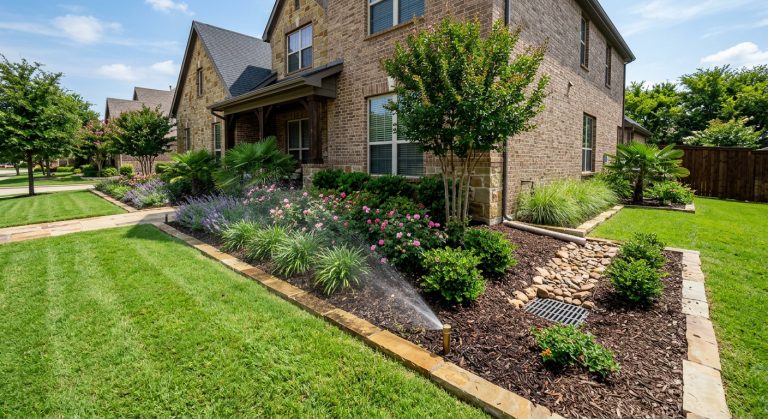
Sandoval Landscaping vs BrightView: Local DFW Expertise vs National Scale
March 15, 2026
Quick Answer: Sandoval Landscaping specializes in Local expertise vs national scale for DFW properties with Blackland Prairie clay soil challenges. BrightView operates differently. Here's…
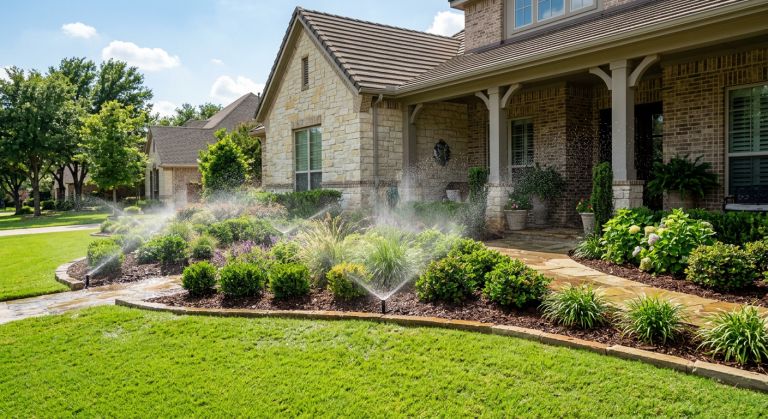
Sandoval Landscaping vs Winters Landscaping: DFW Service Comparison
March 15, 2026
Compare Sandoval Landscaping and Winters Landscaping for DFW properties. Learn about service differences, pricing, and which company fits your commercial or residential landscaping needs.
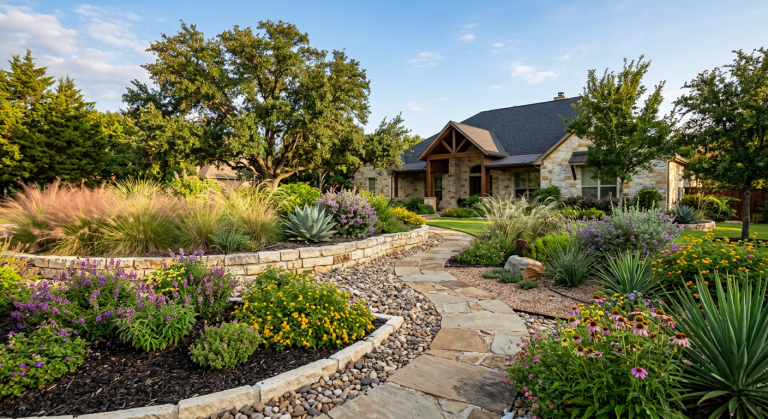
Using AI to Plan Your Landscape: A DFW Homeowner’s Guide
March 15, 2026
Quick Answer: AI landscape planning tools like Microsoft Copilot, ChatGPT, and specialized garden apps can generate planting recommendations for DFW's Zone 8a climate. The…
Categories: DFW Neighborhoods, Highland Park